With competition rife in the marketplace today, From Concept to Container: The Complete Custom Packaging Development Process is not only about design; it is a strategy that enables companies to create a lasting consumer experience by offering protection of their products during the entire delivery chain. If you are introducing a new product in the market or even improving an existing one, custom packaging plays a significant role in creating awareness of your brand and product and ensuring product safety as well as consumer satisfaction.
Customers make their buying decisions based on initial impressions, which are usually created by the packaging of a product. Therefore, following a process when developing your custom packaging will enable you to ensure that your product not only catches the attention of consumers but also communicates your brand message effectively.
Step 1: Understanding Your Product and Brand
For any successful packaging project, there is a need for you to understand your product fully. Consider factors such as the product size, weight, fragility, storage needs, and transportation needs, among others. In addition, your packaging should capture your brand identity. Here are some of the questions you should ask yourself:
- Who are your target audiences?
- Which emotions do you want the packaging to generate?
- Is the packaging supposed to be luxurious, environmentally friendly, minimalist, or playful?
Consistency in packaging is achieved by relating your packaging to your brand narrative.
Step 2: Determining Packaging Objectives
It is important that, before embarking on designing the packaging, the objectives for doing so are clearly defined. The packaging could:
- Be a protection against any damage while being shipped
- Attract people when put on the shelves
- Make the unboxing experience memorable
- Be used for sustainable packaging programs
- Comply with industry regulations
- Save on shipping and manufacturing costs
Step 3: Selecting Packaging Materials
The choice of materials affects both performance and aesthetics. Some materials include:
- Corrugated cardboard for boxes
- Paperboard for premium packing
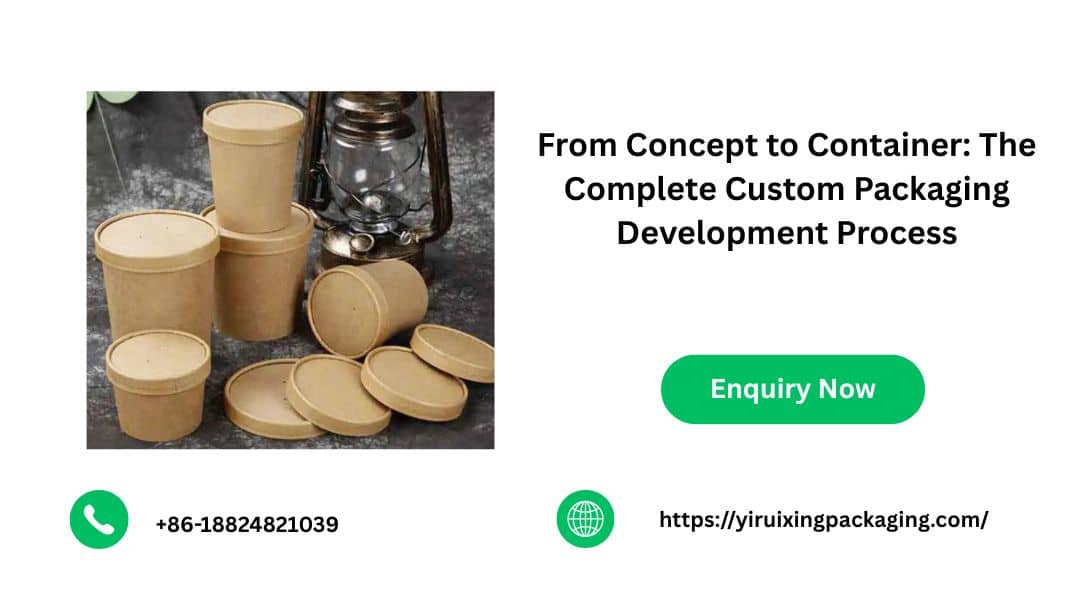
- Kraft paper for green marketing
- Folding cartons for retail items
- Plastic or biodegradable materials for specialized applications
Today’s corporations are becoming more inclined towards packaging materials that are recyclable and eco-friendly to address increasing demands of consumers regarding sustainability and to lower their ecological footprint.
Step 4: Structural Packaging Design
Structural design is concerned with how the packaging performs, not how it appears. The Packaging Engineers ascertain:
- Box style
- Folding methods
- Inner packers
- Packing and cushioning
- How the product fits inside
- Ease of assembly
- Durability for shipping
The good design reduces wastage of material and increases protection and presentation.
Step 5: Visual Design and Branding
This is the point where creativity meets marketing. Some of the elements used for professional packaging design include:
- Logo of the brand
- Color scheme
- Font types
- Product details
- Legal warnings
- QR codes
- Marketing messages
Luxury finishing techniques like matte lamination, glass coating, embossing, hot foil stamping, spot UV and soft touch finishes are additional ways to add value to your product.
The aim is to design a package that the customers will immediately recognize.
Step 6: Prototype Development
Manufacturers usually develop prototypes before going into full-scale production. Prototypes help test:
- Fit of the product
- Opening and closing capability
- Printing quality
- Durability of the material
- Visual appeal
- Shipping characteristics
Making changes during prototype development saves from costly mistakes in manufacturing.
Step 7: Testing and Quality Assurance
Good packaging needs to work well in real-life situations. Quality assurance testing can involve:
- Compression testing
- Drop testing
- Water resistance
- Vibration testing
- Color uniformity
- Print endurance
This guarantees that the goods are delivered to the consumer safely and in good condition.
Step 8: Manufacturing and Production
After the design has been finalized, manufacturing commences on a large scale.
Today’s packaging manufacturing companies have high-quality equipment for printing, die-cutting, lamination, and quality assurance processes that help them manufacture top-quality packaging on a mass scale. The production phase takes into consideration production planning, including delivery times, inventory, and shipping.
Step 9: Logistics and Distribution
Packaging design does not come to an end when packaging has been manufactured. Logistics requires:
- Space savings
- Stackability
- Warehouse efficiency
- Reduced shipping costs
- Damage prevention
- Sustainable transport
Efficient packaging is essential in saving freight expenses and enhancing the overall effectiveness of the supply chain.
Importance of Custom Packaging
There are more benefits of custom packaging than product protection. They include the following:
- Increased brand recognition
- Improved customer loyalty
- Unforgettable unboxing experience
- Value addition
- Distinguish from competitors
- Business sustainability
- Decrease damage and returns
With the continuous rise in online shopping, packaging has become one of the most effective marketing tools at hand. Each item shipped offers a chance to make a good impression.
Key Elements for an Efficient Packaging Design Process
For an efficient packaging design process, companies should:
- Partner with knowledgeable packaging experts
- Focus equally on aesthetics and functionality
- Select materials according to product characteristics
- Take into account the sustainability aspect from the beginning
- Thoroughly test samples before mass production
- Design packaging for storage and transport optimization
- Consistently improve designs based on consumer feedback
Adhering to these tips can help guarantee the success of the package in the long term without any unnecessary expenses.
Conclusion
The creation of successful packaging is much more complicated than just the creation of an appealing box. Planning, materials, engineering, branding, testing, production and shipping – all these things need to be carefully handled. The adherence to a proper development process will help you make sure that your packaging is effective and provides good protection of the product and brand experience.
For companies that want to have reliable and personalized packaging solutions, Yiruixing Packaging provides a full range of services from the development and design to the manufacturing and delivery of the final product. The company guarantees quality, customization, and innovative solutions for packaging.
FAQs
What is the importance of custom packaging for businesses?
Custom packaging builds brand identity, provides protection, creates a better customer experience, and distinguishes businesses amid competitors.
How much time does it take to create custom packaging?
It depends on such factors as the complexity of design, prototyping, making changes, and the quantity of items that you would like to produce. The majority of projects may require several weeks to several months.
Which is the best material for custom packaging?
The best material will depend on your product, budget, environmental considerations, and logistical needs. Some of the common materials used include corrugated cardboard, rigid boxes, folding cartons, and kraft paper.
Is custom packaging eco-friendly?
Yes, there are lots of environmentally friendly materials available at this moment that can be recycled, composted, and are biodegradable.
How can custom packaging improve customer experience?
Well-designed packaging increases excitement at unboxing, builds trust in your brand, offers great product protection, and encourages repurchasing and sharing photos on social media.