Best Packaging Options for Nutraceutical & Supplement Brands in 2026 – The Top Packaging Choices for Nutraceutical & Supplement Brands in 2026 are evolving due to increasing consumer demand, sustainability expectations, and regulatory requirements shaping the industry. As the global nutraceutical packaging market is anticipated to grow to nearly $6.95 billion in 2030, at an annual CAGR of about 5.6%, brands need to develop packaging that ensures safety, sustainability, and compliance. From smart packaging to eco-friendly materials, contemporary nutraceutical brands are identifying packaging formats that cater to both quality assurance and consumer delight.
Read on to discover the key packaging formats, trends, and techniques setting the nutraceutical packaging trends in 2026.
Why Packaging Is Important in the Nutraceutical Industry
Packaging is an essential factor for products like vitamins, powders, or probiotics. These products are highly sensitive to moisture, light, and oxygen.
- Ensures product stability and extends shelf life
- Increases brand trust and regulatory compliance
- Supports durability during e-commerce shipping
- Enhances user-friendliness and portability
“Packaging that performs reliably, such as tamper-evident seals, blister packs, flexible films, and moisture-proof materials, is in much higher demand.”
Best Packaging Options for Nutraceutical Brands
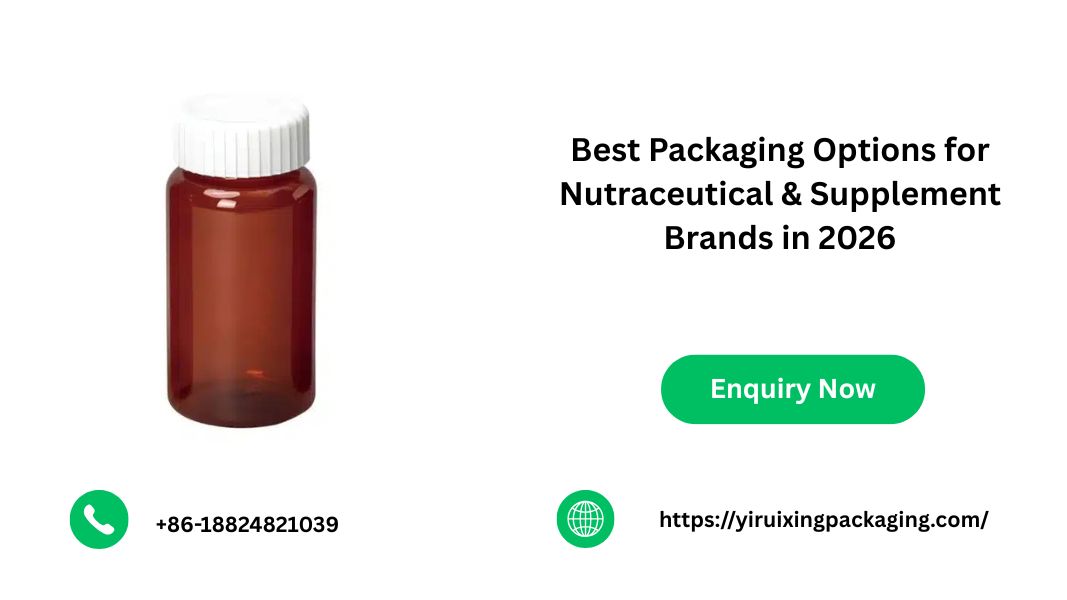
1. Bottles & Jars (Plastic, Glass, Metal)
Bottles and jars are by far the most popular packaging format, representing more than 38% of sales in 2024.
- Suitable for capsules, tablets, and powders
- Provides excellent barrier protection
- Available in materials such as HDPE, PET, glass, and aluminum
- Includes child-resistant and tamper-evident closures.
2. Flexible Pouches & Sachets
Lightweight and economical, flexible packaging is becoming more popular. Mainly used for:
- Popular form for powders, gummies, and herbal supplements
- Resealable zippers improve user convenience
- Reduces shipping costs
- Growing at a CAGR of over 6%
3. Stick Packs & Single-Serve Packaging
Ideal for modern consumers who are always on the move.
- Ensures precise dosage control of active ingredients
- Great for protein powders and electrolyte mixes
- Easy and portable
- Supports subscription-based models
4. Blister Packs
Commonly used for tablets and capsules.
- Provides unit-dose protection
- Improves hygiene and adherence
- Prolongs shelf life
5. Cartons & Paper-Based Packaging
Eco-friendly and brand-friendly.
- Suitable for premium packaging
- Fully customizable designs
- Growing demand driven by sustainability initiatives
Key Packaging Materials in 2026
Plastic (Dominant but Evolving)
Plastic dominates the market, accounting for more than 58% of total usage. This is mainly due to the ability of plastics to mold into many shapes and sizes, as well as their affordability. Nevertheless, more companies are turning to bio-based and recyclable plastics.
Paper & Paperboard (Fastest Growing)
Expected to grow at 5.9% CAGR, driven by sustainability.
Glass & Metal (Premium Segment)
- Glass is highly resistant to chemicals
- Aluminum offers the best barrier
- These materials are commonly used for premium supplements.
Latest Trends in Nutraceutical Packaging
- Sustainable & Eco-Friendly Packaging
Consumers are demanding biodegradable, compostable, and recyclable materials. Brands are adopting:
- PCR plastics (post-consumer recycled)
- Biodegradable polymers derived from plants, for instance, PLA
- FSC-certified paperboard
- Smart Packaging & Traceability
- Product authentication using QR codes and NFC tags.
- Enables real-time tracking and transparency across the supply chain
- Enhances consumer confidence
- E-commerce-Optimized Packaging
With online sales booming, packaging must be:
- Durable
- Lightweight
- Tamper-proof
- Minimalist & Functional Design
- Clean-label aesthetics
- Focus on clarity and transparency
- Reduces material waste
- Personalized Packaging
Personalized packaging formats, such as stick packs and subscription kits, are rapidly expanding.
Important Statistics to Know
- Market size: $5.05 billion (2024) → $6.95 billion (2030)
- CAGR: ~5–6% growth rate
- Plastic share: 58.3% of total packaging
- Fastest-growing format: Flexible pouches (6.1% CAGR)
- Rising demand driven by global health awareness and preventive care trends
Best Practices for Choosing Nutraceutical Packaging
- Focus on product protection (moisture, oxygen, UV)
- Regulatory compliance (FDA, EU standards)
- Select sustainable materials
- Promote user convenience
- Focus on branding and product differentiation
Conclusion
Picking the most suitable packaging choices for nutraceuticals and supplement brands in 2026 is about balancing sustainability, functionality, and consumer convenience. The rapid market growth and evolving trends benefit brands that invest in innovative packaging designs.
Yiruixing Packaging provides premium and customizable solutions for modern nutraceutical firms looking to protect and enhance their products. Their advanced solutions help companies achieve both product protection and sustainability goals.
FAQs
What is the best packaging for supplements?
Bottles and jars are perhaps the most common, but flexible pouches are also increasingly popular.
What is the significance of sustainable packaging for companies that deal in nutraceuticals?
Sustainability enhances brand reputation, complies with laws, and aligns with customer demands for environmentally friendly goods.
What materials are generally used in supplement packaging?
The most common materials are Plastic (PET, HDPE), glass, aluminum, and paperboard.
How does packaging affect shelf life?
High-barrier packaging protects against moisture, oxygen, and light, preserving potency and extending shelf life.
What are the latest developments in nutraceutical packaging?
Smart packaging (QR, NFC), biodegradable packaging, and single-use formats are major innovations.