
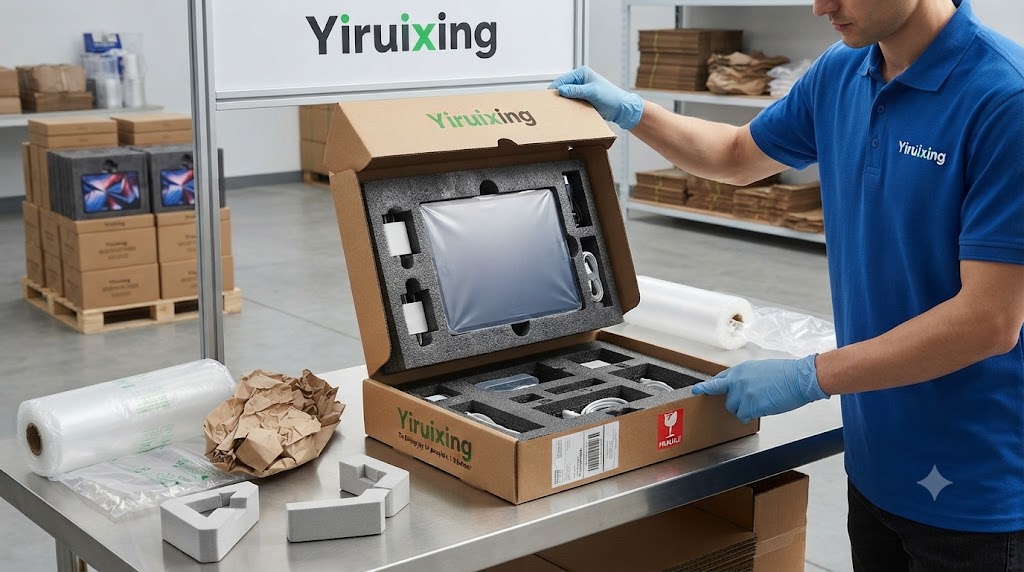
Imagine this: you’ve spent months building an awesome electronics product, perfecting your circuit boards, and finally landed your first big order. When that box leaves your warehouse, it looks pristine and perfect. Days later, a customer emails you a picture of a cracked screen, a bent connector, or a device that simply refuses to power on.
It’s disappointing, costly, and honestly a little painful to see. The reality is that electronics are some of the most delicate things you can ship, and getting from your warehouse to the customer’s door is rougher than you might expect. Boxes get dropped, stacked, crushed, and battered as they traverse trucks, planes, and conveyor belts. Fortunately, damage can be avoided. Here in this blog, we give you with proper information about packaging for electronics: how to protect products during shipping. Stay tuned for this blog.
Why Electronics Are More Vulnerable Than Other Products
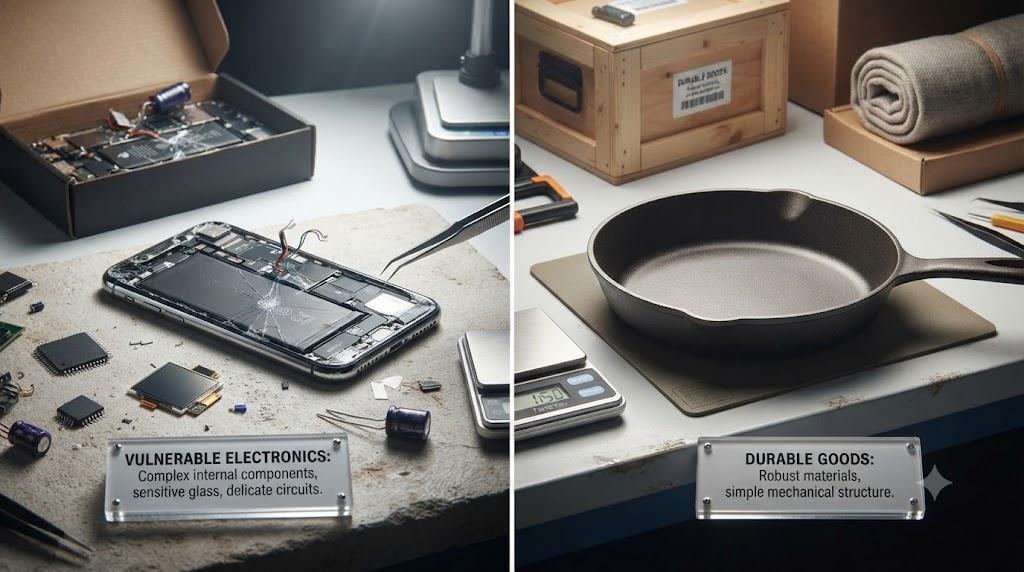
Electronics, more than a T-shirt or a mug, involve innumerable fragile components – glass screens, solder joints, thin wires, batteries, and delicate chips. If something you could treat gently on a toy jolts a loose internal connection, you can’t see it from the outside and the item may not last a week. Good packaging is vital, not only to avoid obvious damage, but to keep the delicate innards intact.
The Four Main Threats: Shock, Static, Moisture, and Pressure

Knowing what can go wrong makes it easier to select protection.
- Shock and vibrations: The most common type of damage is drops, bumps, and movement in transport. You need to protect the package so it cushions the shocks and prevents the product from moving.
- Static electricity: Electrostatic discharge can also kill a PCB without a word of warning. Antistatic bags and static-safe inserts will shield sensitive parts, particularly with bare boards and chips.
- Moisture and humidity: Increased packaging size and longer distances travelled, such as by sea, can introduce humidity and condensation. Moisture-barrier bags and desiccant packs can be used to help prevent corrosion.
- Compression: Cartons may be stacked in a warehouse or in containers. If the box itself is poor quality, this compressive force above will crush it and the product inside.
Choosing the Right Cushioning Materials
There’s no one size fits all and you’ll need to factor in the weight, shape and value of your product.
- Foam inserts (EPE or EVA): Reshape to the form of your product, they snugly secure it and are excellent shock absorbers. Ideal for phones, earphones and tech.
- Moulded pulp: An environmentally-friendly alternative that is biodegradable, recyclable and ideal for lightweight packaging and sustainability-conscious customers.
- Corrugated dividers: Heavy-duty, lightweight, and inexpensive dividers ideal for sectioning off chargers, cables and small accessories.
- Air pillows and bubble wrap: Useful for packing space and add an extra layer of protection but don’t use them to provide all of your protection.
Many companies may also utilise a blend of materials. Often, a device may be held in place with foam, and then separate cardboard dividers may organise the other accessories in the box.
Why a Snug Fit and a Strong Outer Box Matter
One regular error is to order a box that’s too large and then pack it out with filler. This allows the product to jostle and the filler will be compressed under the weight. Keep the box tight to the product and leave enough filler around each side of the product, around 5cm for fragile products.
The same rules apply with your outer box: double-wall corrugated is the safest, most reliable solution for heavier and more valuable electronic goods. For highly valuable items, you might want to consider a box-in-a-box solution-where the product sits in a fitted inner box that is then placed inside a more protective shipping box with cushioning between the two.
Small Design Details That Make a Big Difference
Some of the best improvements are simple:
- Inserts that are custom-fit to the dimensions of your product
- Individual compartments for chargers, cables, and guides so they don’t scratch the device
- Plain English handling marks, i.e. “Fragile”, “This Side Up”
- Sealing tape placed along all of the seams so that the carton won’t open during transit
- Well-fitting packaging that does not contain empty space and can reduce transport costs
The packaging is a printed box with your logo for your packaging box. These boxes are the first thing that your customer interacts with, and they give an idea of the quality of the product inside.
Test Your Packaging Before You Ship at Scale

Never assume your packaging is sufficient. Try it out. Drop it from various distances and directions, shake it with vibration, and give it a compression test. These quick checks reveal weak spots without any risk of damage or loss. Send a handful of sample parcels to yourself or friends across the country, then check them out thoroughly. Testing doesn’t have to be complicated or expensive.
Conclusion
Safeguarding Electronics on the Road is Easy If you want to protect your products during transit, get off on the right foot by following these four tips: Being aware of the risk, knowing how to cushion, ensuring your outer box is solid and correctly sized, and testing everything before you begin small-scale shipping. Follow these five tips, and you’re certain to see better results with fewer damaged goods, fewer returns, and more satisfied clients. If you need a packaging company to get you started, then Yiruixing Packaging can help with custom packaging designed to keep your products safe, including free design work and OEM printing, with an MOQ of only 100, and quality control every step of the way.
FAQs
Why do electronics get damaged so easily during shipping?
Electronics have delicate parts – glass screens, solder joints, thin cables, and batteries. Tiny bumps or drops can shake a connection loose inside your device, so it can appear to be perfect when it arrives but then stop working a few days later. Good packaging not only protects the exterior but the interior as well.
What are the biggest risks to electronics in transit?
There are four major threats to your packed items: shock and vibration, static electricity, moisture and humidity, and compression from stacked cartons. Every single threat requires a different type of protection, so a blanket of bubble wrap generally won’t do.
Which cushioning material is best for electronics?
It depends on your product. Custom foam inserts (EPE or EVA) are ideal for phones, headphones, and other devices because they keep the product securely in position. Moulded pulp is an ideal environmentally friendly option for lighter products, while corrugated inserts are suitable for separating cables and chargers. Several brands will use two or three materials.
Do I really need antistatic packaging?
Yes, if you are shipping chips, circuit boards, or other electronic components that are not encased. Components can be electrostatically damaged by static discharge, even if there is no visual indication. Antistatic bags and static-safe inserts are a minimal expense compared to the costs of returns and replacements.