Companies of all kinds have been opting to import packaging from China more and more often. Be it a startup that has just launched a new product or a well-known manufacturer that is looking to go abroad, China can offer many types of packaging for different fields, all at great prices. However, importing successfully takes more than just finding a supplier that offers the lowest price. Therefore, a clear understanding of the entire importing process, as well as shipping options and regulations, is what can save a lot of money.
In this blog, we will talk about The Complete Importer’s Handbook for Ordering Packaging from China.
Understanding the need to import packaging from China
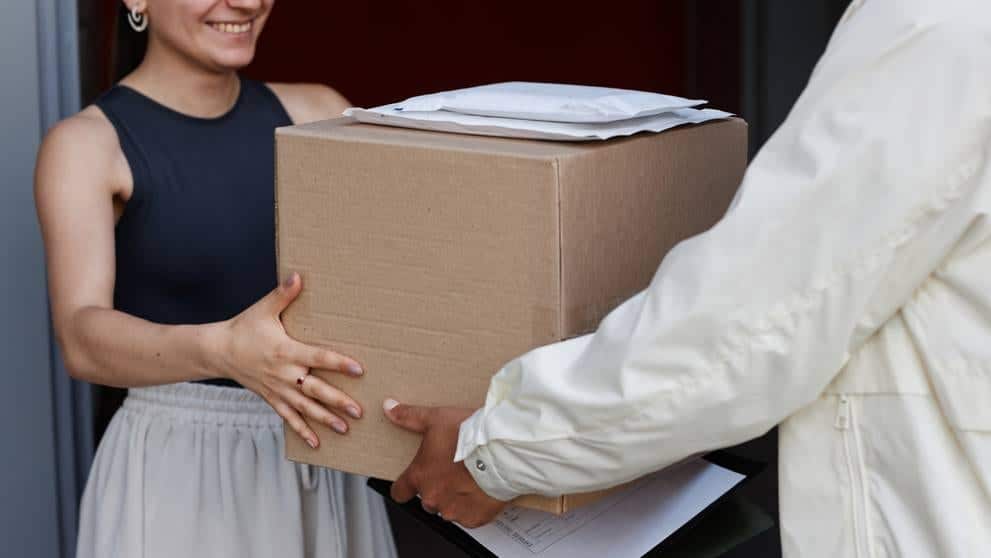
China is one of the leading packaging production centers in the world, supplying various industries, including cosmetics, food, pharmacy, electronics, retail, and e-commerce. The reasons why importers keep coming to China for packaging manufacturing are:
- Low-cost manufacturing
- Large production capacity
- Modern printing and finishing machines
- Utilization of a variety of customization options
- Possibility of having small orders fulfilled for many products
- Solid experience in exporting
Whether customized boxes, paper bags, labels, and flexible pouches are needed, Chinese suppliers can make cheaper and perfect packaging in many cases.
Importer’s Handbook for Ordering Packaging from China
Step 1. Determine the specifications of your product
Before choosing suppliers you need to define the size of your package professionally. It will help competitors get quotations and avoid further misunderstandings.
Every specification has to include the following:
- Type of packaging – box, pouch, carton, tube, bottle, etc.
- Dimensions
- Material of the packaging
- Printing requirements
- Colors to be printed
- Finishing processes
- Quantity
- Complements or accessories of the product
- Sustainable features of your packaging
The more specific you are the simpler it will be to compare the prices of various suppliers.
Step 2. Choose the supplier
Not every manufacturer offers the same quality and services. The right supplier is one of the most important aspects of the importing process.
Look at suppliers who possess:
- Experience in exporting
- Certification of their products
- Positive reviews made by customers
- Professional approach
- Capabilities for sample production
- Quality control system
- Transparent pricing
Request for sample production instead of making a big order.
Step 3: Learn about Minimum Order Quantity (MOQ)
Most Chinese producers in the packaging industry set a Minimum Order Quantity (MOQ) which varies with:
- Type of packaging,
- Nature of the materials involved,
- Customization, and
- Quality of production
Generally, simple packaging involves a lower MOQ than sophisticated and highly customized luxury packaging.
Before placing the order, small businesses can talk to their suppliers about flexible MOQs.
Step 4: Get Clearance on Prices and Other Costs
The manufacturing cost that you’ve obtained from your supplier is only one element of the cost of import.
You need to consider the cost of:
- Sample Charge
- Mould/Tool Charge
- Printing Plate Charge
- Packaging Charge
- Shipping costs
- Custom charges
- Taxes
- Insurance
- Inspection Charges
Finding the total cost of importing will allow you to plan your packaging budget properly.
Step 5: Check Product Quality
Quality is one of the aspects that must not be missed when importing packaging.
Some of the common quality checks include:
- Thickness of the Material
- Color consistency
- Print alignment
- Durability
- Dimensions
- Surface finishing
- Strength of Adhesive
- Folding accuracy
To ensure that quality is up to the required level, many importers hire inspection agencies for inspections before delivery.
Stage 6: Select the Correct Delivery Method
The delivery method has an impact on the time taken and the costs incurred.
Shipping via sea
If something needs to be sent in bulk, the shipping option of using the sea should be considered. The price of shipping by this means is low, but the time taken is long.
Shipping via air
The quickest method of shipping is by air. If a parcel is urgent but small in size, this method is the best. However, it is more expensive than the sea option.
If you need help selecting the low-cost delivery option for your parcel, consult your supplier or a forwarder.
Stage 7: Familiarize Yourself with Import Documents
The right documents make it possible to go through customs smoothly.
Typical import documents are:
- A commercial invoice
- A packing list
- A bill of lading
- A certificate of origin (in some cases)
- Customs declaration
- Certificates for product conformity
Be sure you have checked everything properly before the delivery to avoid problems while clearing customs.
Stage 8: Make Sure Your Packaging Meets the Required Standards
Depending on the country you are situated in and the industry involved, some import packaging standards might have to be met.
For instance, you may have to follow:
- Food packaging standards
- Drug packaging standards
- Pollution labels
- Paper standards of the FSC organization
- Plastic packaging standards
- Safety standards for chemicals
Make sure your supplier knows of the important regulations your country has.
Step 9: Defend Your Intellectual Property Rights
It is important to protect the IP rights for your packaging. Having open logos and other information about your brand can cause issues.
- Make sure to always use Non-Disclosure Agreements with your supplying partner to avoid any theft.
- Registering your trademark in relevant markets is very crucial.
- Make sure to keep your important logo or design files restricted to only a few trusted members of the supplying company.
- Only work with trusted suppliers who have a positive history and reviews.
Step 10: Establish Long-lasting Relationships with Your Suppliers
The process of successful importation does not just hinge on a single order, but rather on the establishment of long-term relations with the suppliers. Long-term relationships often generate:
- Better pricing
- Favorable scheduling of production
- Swift communication
- Superior quality
- More straightforward product development
- Better payment conditions
The ability to communicate regularly and offer useful constructive feedback will help to reinforce the relationship with the supplier over time.
What are the things to keep in mind when importing packages?
First-time or inexperienced buyers around the world can get charged with hidden charges or other expenses that can make it much costlier for them. The most common such mistakes include:
- When you only look at the price to decide on the manufacturing partner
- Blindly trusting the source and not asking for the sample
- Not paying utmost importance to the quality of the packaging ordered
- Getting satisfied with the incomplete art
- Overestimating shipping terms
- Does not have any idea about the customs rules of your country
- Not knowing or ignoring the hidden cost in the import of the packages
Thorough planning minimizes these risks.
Blockquote
“Successful packaging imports aren’t built on finding the lowest price—they’re built on choosing reliable manufacturers, verifying quality, and planning every step from production to delivery.”
Concluding Thoughts
Making a clear plan to import the packaging from China is cheaper than from other countries. Having a holistic understanding of importing packages from China can help you get the best products at reasonable prices. This helps you to manage overall cost and reduce th extra expense.
Instead of putting all the attention simply on the price, successful importers care more about quality, communication, efforts toward compliance, and building long-term relationships with suppliers.
Yiruixing Packaging is a top company that provides the best packaging services from China for packaging in a customized manner as well. Feel free to get in touch with the company to learn more about the products and services provided by them.
Contact details
Company Name – Yiruixing Packaging
Address – No.1218 B Block, Yin Ye Hui Zhong Building, No. 3 Nan Guo East Road, Da Liang Street, Shunde District, Foshan, Guangdong, China, 528399
Contact (WhatsApp) – +86- 18824821039
E-mail – info@yiruixingpackaging.com
Website – https://yiruixingpackaging.com/
Frequently Asked Questions
Does it cost less to import the goods’ packaging from China?
China offers cost-effective package manufacturing for brands around the world. Mass production and reasonable labor prices provide you with packaging at affordable prices.
What is an MOQ in packaging production?
MOQ is the minimum amount that the manufacturer requires for products to be produced.
Should I ask for packaging samples before ordering?
It is highly recommended to always ask for a sample before bulk ordering. This helps you to have the real experience of the packaging.
What shipping type is best for packaging and shipping?
Bulk packages can be sent by sea. In turn, urgent packages can be sent by air.
What is the importance of pre-shipping inspection?
It allows addressing quality issues before the delivery has taken place.
Which documents are required for shipping the packages from China?
Most often, there are a commercial invoice, packing list, bill of lading and customs paperwork required.
Which company provides the best services for packaging from China?
Yiruixing Packaging is a top company that offers the highest quality services at affordable and reasonable prices.