
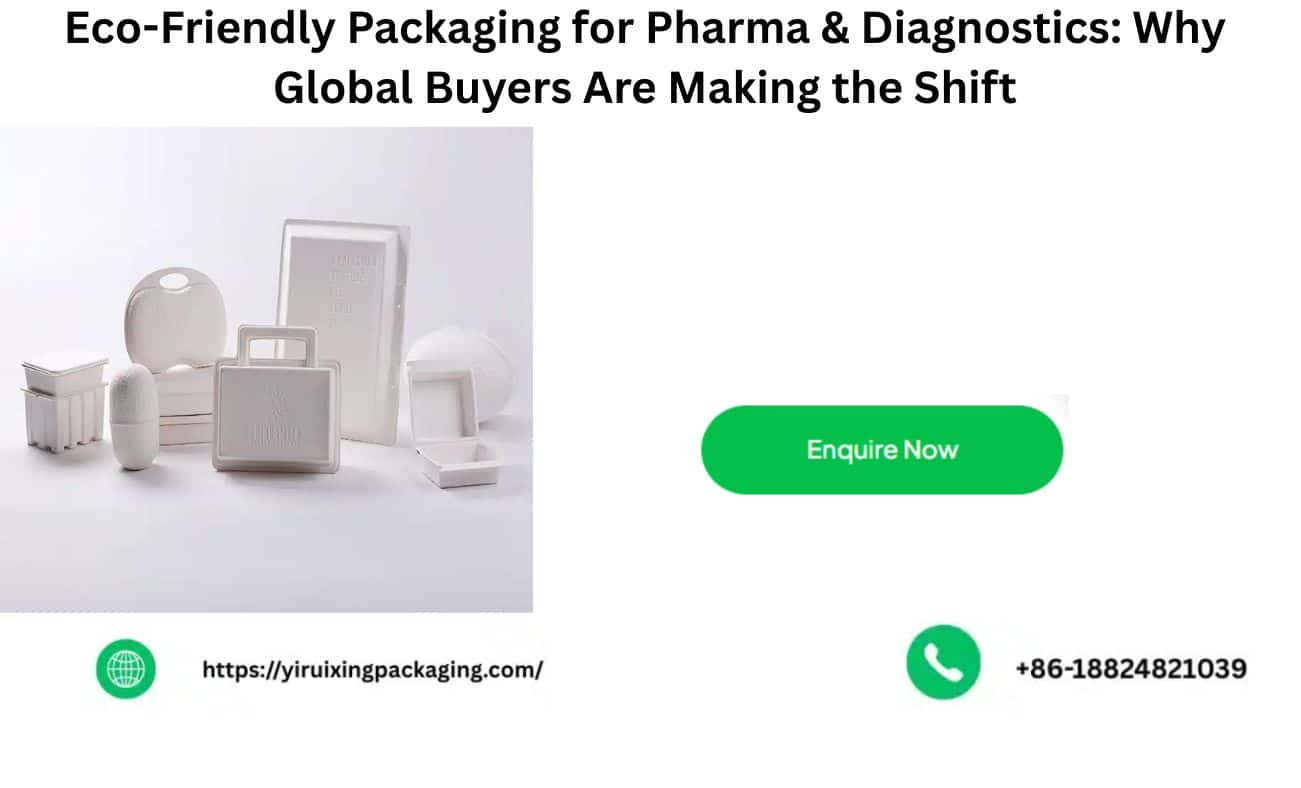
There has been an increasing move in recent years in the Pharmaceutical and Diagnostics industry towards sustainable, eco-friendly packaging worldwide. In response to increasing environmental pressures, healthcare products manufacturers, distributors and procurement organisations around the world are reassessing standard packaging procedures with the goal of minimising waste, reducing carbon footprints and complying with strict environmental standards. Eco-friendly packaging is more than just a buzzword — it’s a business necessity. Pharmaceutical Packaging -Green Alternatives Historically, pharmaceutical packaging was predominantly made with plastics and non-recyclable materials that are huge environmental pollutants. This has today given way to biodegradable plastics, recycled papers and plant-based polymers – sustainable materials that are standing in for those traditional choices with no loss to the safety and functionality of the finished product. This turn is not just ethical — it’s also grounded in the reality of the market and what buyers prefer. The sustainable pharmaceutical Packaging market is estimated to be valued at ~ USD 99.2 billion in 2024 and is expected to reach USD 220.4 billion by 2030, at a CAGR of over 14% between 2020 and 2030 as companies are forced toward greener options due to regulatory pressures regarding both materials use and waste generation, in addition to the overall consumer push for products that are more environmentally-friendly. Here in this blog, we explore eco-friendly packaging for pharma & diagnostics.
Key Market Trends & Statistics
Before we get into the details, here are some key stats that point to an overnight industry explosion in green pharmaceutical packaging:
- Market Growth: The sustainable pharma eco-friendly packaging market is projected to grow from USD 99 billion in 2024 to more than USD 220 billion by 2030 (CAGR ~14.3%). Grand View Research
- Regional Leaders: North America represents more than 35% of the global market, and Asia Pacific is projected to be the fastest-growing region.
- Sustainable Materials Utilisation: Recycled materials account for almost 45% of the recycling pharma packaging market size. Verified Market Reports
- Efficiency Moves: 81% of industry leaders have moved demand towards sustainability, and almost half of them are making bigger eco-friendly packaging investments.
Comparative Snapshot: Traditional vs. Eco-Friendly Packaging
| Feature | Traditional Packaging | Eco-Friendly Packaging |
| Main Materials | Plastic, EPS foam, aluminium | Biodegradable plastic, organic polymer resins and paper made from recycled material |
| Environmental Impact | High (persistent waste) | Lower (recyclable/compostable) |
| Regulatory Compliance | Increasingly lagging | Aligns with global sustainable mandates |
| Market Growth | Mature, slower growth | Rapid growth (~14-CAGR+) |
| Consumer Appeal | Moderate | High, especially among younger buyers |
| Cost Trend | Generally lower upfront | Higher upfront, cost-effective long-term |
Why Global Buyers Are Making the Shift
1. Regulatory & Policy Pressure
The global pharmaceutical industry faces increasing regulatory pressure to minimise its environmental footprint. The European Union’s Circular Economy Action Plan is targeting 100% reusable or recyclable packaging, along with high recycled content requirements in packaging materials and government-mandated recycled content rates of up to 30% for plastic products in India and China.
These are not simply recommendations — they become compliance mandates that impact procurement decisions throughout global supply chains.
2. Rising Demand from Consumers and Healthcare Providers
Eco-awareness is on the rise for today’s consumers — and it’s spilling into healthcare. An increasing number of buyers and patients consider environmental impact as an important criterion in purchasing. Globally, more than 70% of consumers are willing to pay a premium for environmentally friendly packaging, and pharmaceutical customers are no different.
This transition impacts patient loyalty, pharmacy brand perception and purchasing behaviour in chain and independent drug stores alike.
3. Innovation in Materials and Technology
Today, the idea of planet-friendly packaging is no longer just about paper boxes. Advances in bioplastics, compostable films and smart packaging deliver tough protection with a lighter environmental footprint. Key advances include:
- Recyclable blister packs as alternatives to PVC/aluminium laminates
- Polymers from plants such as PLA, PHA, and cornstarch composites
- Dual-functional smart barriers and in situ monitoring equipment for safe drugs with enhanced recyclability
These advances help to keep products potent, which is essential in pharma and diagnostics, as well as lower carbon deposits.
Benefits of Switching to Eco-Friendly Packaging
And here’s why pharmaceutical and diagnostic purchasers are becoming more likely to favor sustainable packaging solutions:
1. Enhanced Brand Image and Market Positioning
Sustainability is strategic, not just ethical. Pharma brands that demonstrate a commitment to eco-friendly packaging typically have better brand widening and differentiation globally.
2. Lower Long-Term Costs
And while environmentally friendly materials can have a higher first cost, they’re frequently accompanied by lower disposal costs, less material use because of lightweighting and long-term operational savings.
3. Supply Chain Resilience
Sustainable packaging to help improve the resilience of the supply chain and reduce pollution. Sourcing single-use plastics and diverse materials – less reliance on one source.
Challenges and Considerations
Despite its benefits, phasing in sustainable packaging doesn’t come without hurdles:
- Greater than traditional plastics upfront costs, for sustainable materials and processing.
- Material development limitations for biodegradable polymers complying with pharma-grade and shelf-life restrictions.
- Material transitions can be slow, on account of regulatory approval and validation requirements, which are market-specific, for safety and compliance.
But with supply chain partners working together strategically and continued investment in material science, many of these obstacles are being overcome.
Key Takeaways
- The market of eco-friendly pharmaceutical packaging is growing at a fast pace and is expected to more than double by 2030.
- Green packaging in line with increasing regulatory, environmental and consumer demands is a strategic priority for global purchasers.
- Packaging benchmarks are being rewritten as wearable technology pioneers new definitions of the word doctor and travel at least gradually to emerging markets.
- While not without their challenges, the advantages in the long term outweigh the costs of the transition.
Expert Perspective
“Sustainable packaging in pharmaceuticals is no longer a nice-to-have; it’s a competitive advantage. Businesses that adapt now are preparing for future regulatory requirements and customer expectations.”
— Sustainability Strategist, Global Packaging Forum
Conclusion
As environmental awareness takes centre stage in worldwide sourcing and healthcare efforts, eco-friendly packaging goes from niche effort to core business strategy. From compliance to customer demand and corporate environmental commitments, pharmaceuticals and diagnostics brands are turning to sustainable packaging practices as a way of cutting waste, boosting brand value and empowering resilience in the supply chain.
For companies adapting to this transition, working with knowledgeable, eco-friendly packaging suppliers is worth every penny. Yiruixing Packaging is doing its part to lead this movement, providing innovative and sustainable packaging solutions designed for the specific needs of the pharmaceutical and diagnostics markets. Offering a powerful tool for buyers to fulfil environmentally responsible objectives as well as business-specific needs, Yiruixing assists in the pursuit of sustainability without sacrificing quality.
FAQs
Why global pharma buyers are adopting sustainable packaging?
International purchasers are driving the change because of tougher environmental controls, stronger consumer and healthcare provider demand for sustainable products and economies of scale. Many countries now require packaging to be recyclable or contain less plastic, and purchasers are looking for suppliers who can help them meet those demands while also advancing ESG (Environmental, Social and Governance) goals.
Are pharmaceuticals and diagnostics safe with ecologically friendly packaging?
Yes, contemporary eco-friendly pharmaceutical packaging is expected to fulfil the same safety, barrier protection, and stability demands as conventional packaging. Material science allows protection from moisture, light, oxygen and contamination as well as sustains drug efficacy and diagnostic precision.
Is sustainable packaging more expensive for pharma companies?
Eco-friendly packaging does carry an increased up-front cost over traditional plastics, at least when it’s first introduced. However, in the end, it frequently lowers costs through lightweighting materials, lower waste-management fees, better logistics management and savings associated with meeting regulations. For many international buyers, it’s a savvy long-term investment rather than an expense.
Eco-friendly pharma packaging: types of materials used?
Sustainable materials commonly used are recycled paper and/or cardboard, biodegradable plastics, bio-based polymers such as PLA or PHA, recyclable mono-material blister packs and a lightweight glass replacement. Extensive testing is used to make certain that these products meet pharmaceutical and diagnostic standards.